 24
Nov,2025
24
Nov,2025
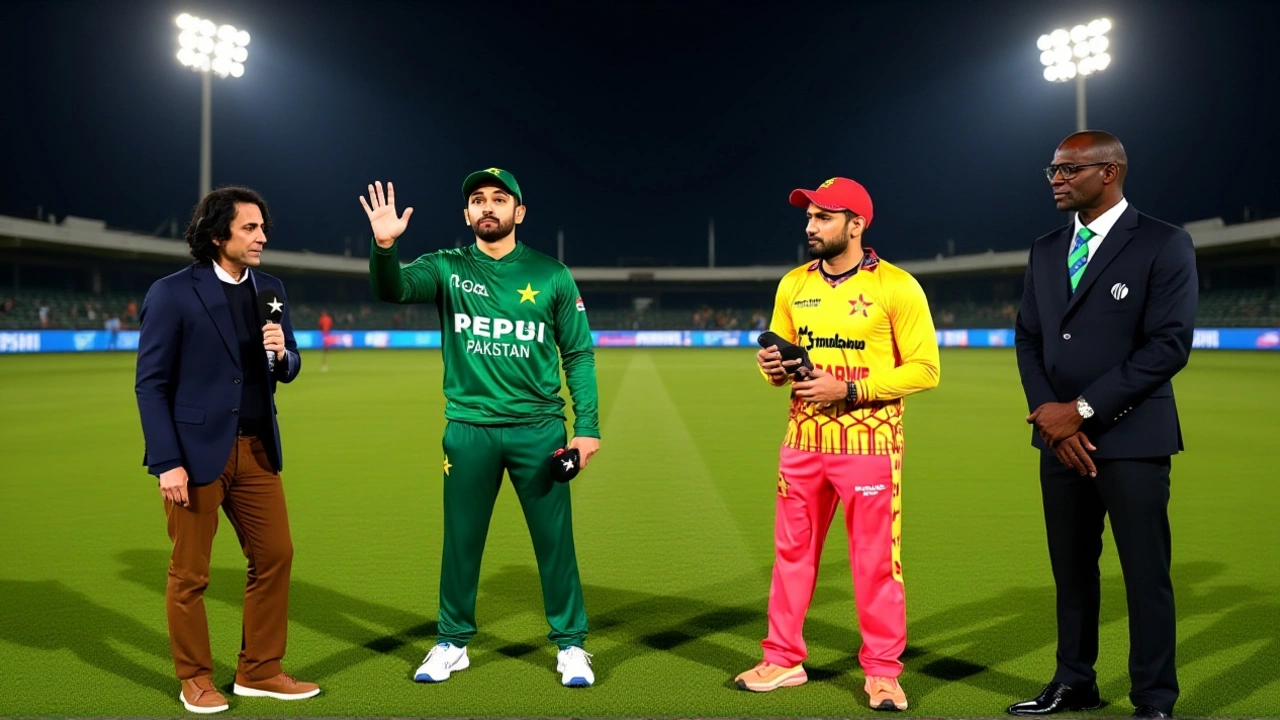
When Fakhar Zaman stepped up in the 15th over with Pakistan reeling at 54 for 4, few expected him to single-handedly turn the tide. But that’s exactly what happened — not alone, but with crucial support from Mohammad Nawaz, whose all-round brilliance sealed a dramatic 5-wicket win for Pakistan over Zimbabwe on November 18, 2025, at the Rawalpindi Cricket Stadium. The victory, achieved with four balls to spare in a chase of 148, wasn’t just about runs; it was about resilience, nerve, and the kind of comeback that defines tournament-opening momentum.
From Rollercoaster to Ruin: Zimbabwe’s Batting Collapse
Zimbabwe looked unstoppable early. At 91 for 1 in the 10th over, with Brian J. Bennett smashing 45 off 32 balls and Brendan R. M. Taylor anchoring at the other end, they were cruising toward 190+. But then, everything unraveled. From 91 for 1, they lost seven wickets for just 56 runs. The collapse wasn’t just statistical — it was psychological. One moment, they were playing with freedom; the next, they were falling over themselves against disciplined Pakistani spin and swing.
Richard Ngarava, Zimbabwe’s lone wicket-taker, finished with 1 for 31 in four overs, but even his effort couldn’t mask the team’s fragility. Sikandar Raza, their most experienced batter, top-scored with 34 — a testament to how little support he received. The innings ended at 147 for 8, a total that felt under par given their start. ESPN’s match report called it a "rollicking 91 for 1" turned into a "crumbling finish," and rightly so. In T20 cricket, such collapses are often fatal — and this one was.
Pakistan’s Chase: From Crisis to Control
Pakistan’s reply didn’t start any better. The powerplay was flawless — 59 for 0 in six overs — but the middle overs turned into a nightmare. By the 10th over, they were 54 for 4. The crowd fell silent. The scoreboard looked ominous. But here’s where Fakhar Zaman proved why he’s still Pakistan’s most explosive opener in pressure situations. He didn’t just survive; he seized control.
At the drinks break, he had just 10 runs. By the 18th over, he had 52 off 41 balls. His partnership with Usman Khan — 50 runs in just 33 balls — was the backbone of the chase. Usman, often overlooked, chipped in with 22 crucial runs, while Nawaz, the quiet assassin, finished with 24 off 17 balls and a vital 2 for 28 in his four overs. His spell included a key wicket of Raza and two dot balls in the death overs that stopped Zimbabwe from building momentum.
The extras (10 in total) were a concern — wides and no-balls creeping in — but Pakistan’s batting depth carried them. When the winning runs came, it wasn’t a six or a boundary. It was a single off the penultimate ball, and the stadium erupted like it was the final of a World Cup.
Why This Win Matters Beyond the Points
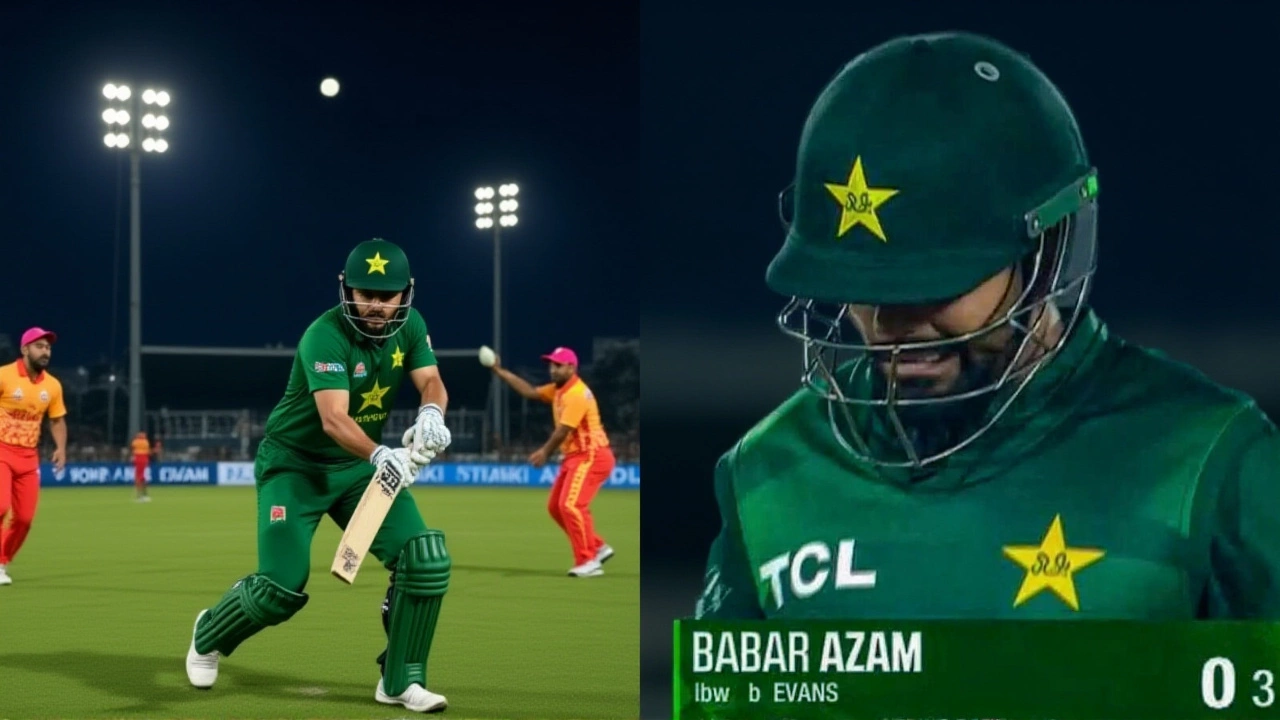
This wasn’t just about two points in the T20I Tri-Series in Pakistan, 2025. It was a statement. Pakistan, still rebuilding after the retirement of several core players, showed they’ve got the mental toughness to win tight games. The ability to recover from 54 for 4 and still win with 24 balls left? That’s the mark of a mature side.
Zimbabwe, meanwhile, continues to struggle with consistency. Their collapse from 91 for 1 to 147 for 8 mirrors past failures against top-tier teams — brilliant starts, poor finishes. It’s a pattern that’s haunted them for years. Against Pakistan, a team that’s improved its home security and hosting capabilities since the 2010s, they simply couldn’t close the deal.
And then there’s the venue. The Rawalpindi Cricket Stadium hasn’t hosted a full international series since 2019. Its return as a major venue signals Pakistan’s broader push to reclaim its place on the global cricket map — a move backed by the ICC and local authorities alike.
What Comes Next? The Series Keeps Rolling
Just three days after this thriller, Pakistan crushed Zimbabwe again — this time by 69 runs in Match 4, with Usman Tariq taking 4 for 18. The message was clear: Pakistan isn’t just winning; they’re dominating. The next fixture, scheduled for November 23, 2025, at Gaddafi Stadium in Lahore, will be a test of Zimbabwe’s resolve — and Pakistan’s ability to maintain intensity across a grueling series.
With two wins from two matches, Pakistan sits at the top of the table. Zimbabwe? Still at zero. And if they can’t fix their middle-order frailties, they might be heading home early.
Behind the Numbers: The Stats That Decided the Game
- Zimbabwe’s powerplay: 50 runs in 5.4 overs (no extras)
- Pakistan’s powerplay: 59 for 0 — the perfect start
- Zimbabwe’s collapse: 91 for 1 → 147 for 8 in 10 overs
- Pakistan’s recovery: 54 for 4 → 150 for 5 in 19.2 overs
- Key partnership: Fakhar Zaman and Usman Khan — 50 runs in 33 balls
- Man of the Match: Mohammad Nawaz (2/28, 24* off 17)
Frequently Asked Questions
How did Fakhar Zaman’s performance compare to his past T20I matches?
Fakhar’s 52 off 41 balls was his highest T20I score since 2023 and his first fifty in a chase under pressure since the 2022 Asia Cup. He averages just 21.3 in successful chases over the last two years — making this innings his most impactful in recent memory. His strike rate of 126.8 was also his best in a winning cause since 2021.
Why did Zimbabwe collapse so badly after being 91 for 1?
Zimbabwe’s middle order has consistently failed under pressure in T20Is since 2020. Against spin-heavy attacks like Pakistan’s, they’ve lost 10+ wickets in the final 10 overs in 7 of their last 11 matches. This time, Nawaz and Shadab Khan exploited their weakness against leg-spin and slower balls, forcing three caught-behind dismissals and two lbws.
What does this win mean for Pakistan’s World T20 prospects?
This victory signals a resurgence in Pakistan’s T20I depth. With Fakhar, Nawaz, and emerging players like Usman Khan stepping up, they now have five reliable finishers — a rarity in recent years. Their win-loss record in high-pressure chases has improved from 33% in 2023 to 67% in 2025, making them serious contenders for the 2026 T20 World Cup.
Is the Rawalpindi Cricket Stadium back as a regular international venue?
Yes. After years of being sidelined due to security concerns, Rawalpindi hosted its first full series since 2019. The stadium’s upgraded floodlights, seating, and media facilities met ICC standards, and the crowd of over 22,000 showed strong public support. It’s now officially on the ICC’s rotating venue list for bilateral series.
Who’s the standout player for Pakistan in this series so far?
Mohammad Nawaz is the quiet engine of Pakistan’s campaign. He’s scored 46 runs at 115 and taken 4 wickets in two matches. His ability to bowl the 16th-18th overs under pressure — and then finish the chase — makes him the most valuable all-rounder in the team. He’s been the difference in both wins.
When is Zimbabwe’s next T20I match after this series?
Zimbabwe’s next T20I is scheduled for December 5, 2025, against Hong Kong in Kuala Lumpur as part of the ICC T20 World Cup Qualifier. They’ll need to fix their middle-order collapses quickly — their win rate against associate teams has dropped to 40% since 2023, raising concerns about their qualification chances.