 26
May,2026
26
May,2026
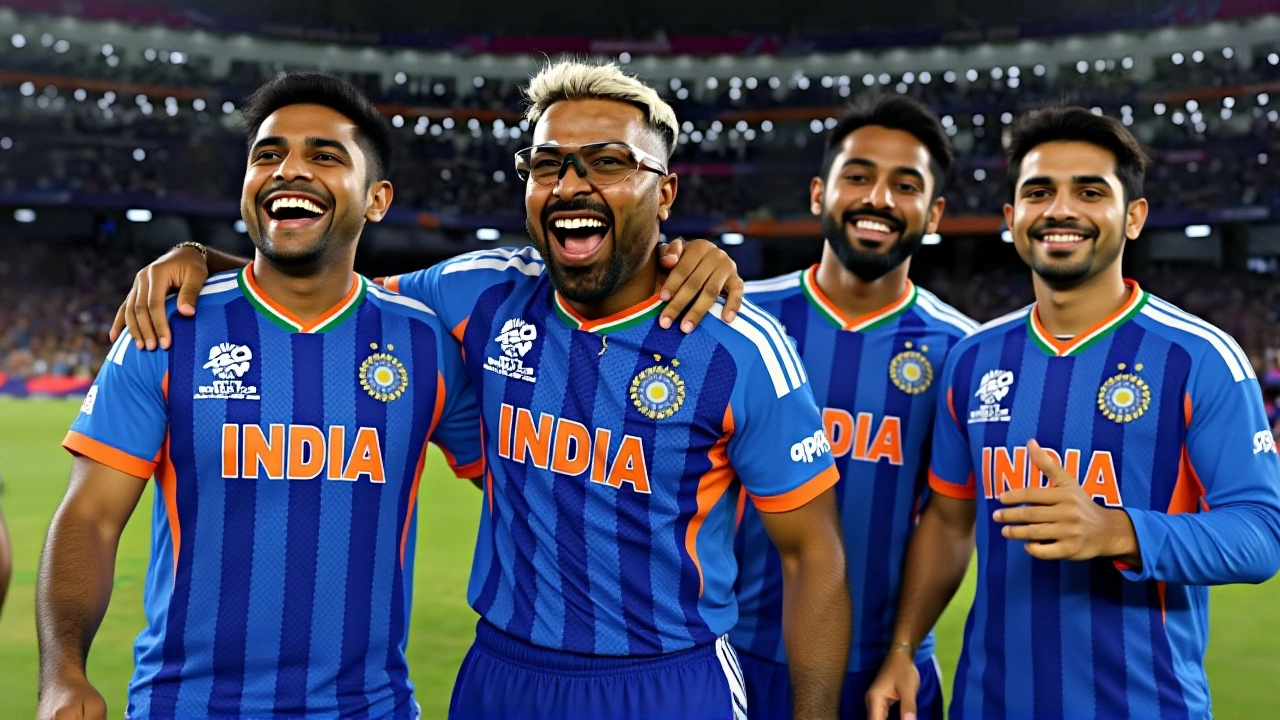
When Devajit Saikia, Secretary of Board of Control for Cricket in India (BCCI), announced the prize money on March 10, 2026, it wasn’t just another payout—it was a record-breaking moment for Indian cricket. The BCCI has awarded Team India a massive ₹131 crore cash bonus for winning the ICC Men’s T20 World Cup 2026. This figure sits completely separate from the International Cricket Council’s own purse, meaning the players and staff are looking at a windfall that dwarfs previous victories.
The victory itself was emphatic. In the final match, India defeated New Zealand by a staggering 96 runs to claim their second consecutive T20 World Cup title. But while the trophy is silverware, the reward is very much gold—and taxable. Here’s how the money breaks down, who gets what, and why this payout matters beyond the stadium lights.
A Historic Payout Structure
Let’s get the numbers straight first. The BCCI’s ₹131 crore bonus is an internal reward, distinct from the ICC’s prize pool. For context, the ICC had already set aside $3 million (approximately ₹27.48 crore) for the champions. So, if you add both pots together, the total revenue generated from this single tournament win exceeds ₹158 crore for the Indian setup.
This isn’t the first time India has won big, but it is the biggest yet. Back in 2024, when Rohit Sharma led the side to glory, the BCCI handed out ₹125 crore. The jump to ₹131 crore represents a ₹6 crore increase, reflecting the board’s strategy to incentivize back-to-back success. Interestingly, this bonus isn’t just for the eleven players on the field. It covers the entire squad, the coaching staff, support personnel, and even the selectors. It’s a collective reward system designed to acknowledge the ecosystem behind the wins.
Meanwhile, the runners-up, New Zealand, will take home approximately ₹14.65 crore from the ICC. Semi-finalists England and South Africa are each slated for around ₹7.24–₹7.26 crore. Even teams eliminated earlier receive payouts: Super 8 finishers get roughly ₹3.48 crore, while group-stage exiters walk away with about ₹2.29 crore. The ICC increased its overall prize money by 20% for this cycle, signaling a growing commercial value in the shortest format of the game.
The Tax Reality Check
But wait—before anyone starts planning yacht purchases, there’s the matter of taxes. And in India, sports winnings don’t come cheap.
According to Chartered Accountant Amit Kumar, speaking to NDTV India Digital, prize money falls under Section 115BB of the Income Tax Act. This classifies such income as “Income from Other Sources,” attracting a flat 30% tax rate. That’s not all. High-income earners face surcharges ranging from 10% to 37%, plus a 4% health and education cess. When you stack these up, the effective Tax Deducted at Source (TDS) can range between 31.2% and 42.74%.
Kumar provided a realistic calculation: On the ₹131 crore BCCI bonus, a 30% TDS amounts to ₹39.3 crore. Add an average 15% surcharge (₹5.895 crore) and the 4% cess (approx. ₹1.83 crore), and the total tax deduction hovers around ₹47 crore. That leaves a net amount of roughly ₹84 crore distributed among the team members. Depending on individual slab rates and relief claims, the actual take-home could vary between ₹78 crore and ₹90 crore.
“The money is deducted at source,” Kumar explained. “Players can file returns later to claim refunds or reliefs if eligible, but initially, the BCCI must deduct the tax before disbursing funds.” Despite the heavy levy, the remaining sum is still substantial—enough to make every player financially secure for years.
Beyond the Senior Men’s Team
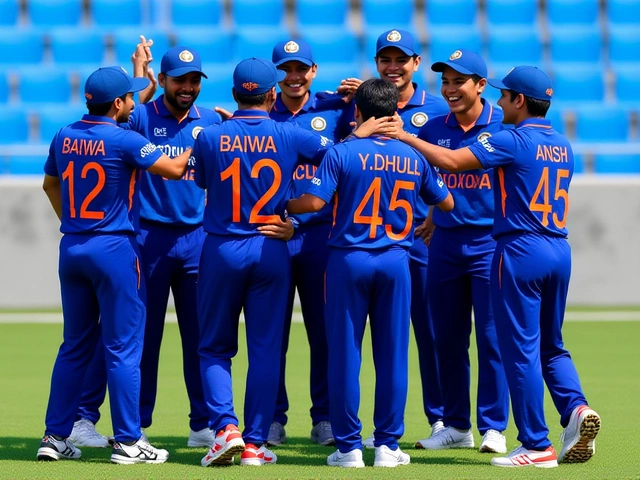
The BCCI’s generosity isn’t limited to the senior men’s squad. There’s a clear trend toward rewarding excellence across all levels. Earlier in 2025, the Indian Under-19 Women’s team won their second consecutive T20 World Cup title. In recognition, the BCCI awarded them ₹5 crore—a significant boost for young athletes often overlooked in mainstream narratives.
This shift reflects a broader institutional change. By treating junior and women’s teams with similar financial respect, the board is fostering a culture where performance at any level yields tangible rewards. It’s a smart move, considering how global cricket markets are evolving. With leagues like the IPL driving salaries upward, international bonuses help retain top talent domestically rather than seeing them drift solely toward franchise contracts.
What’s Next for Indian Cricket?
With two T20 titles under their belt, expectations are sky-high. The next major test comes with the ODI World Cup and upcoming bilateral series against Australia and England. The question now isn’t just whether India can win again—but whether the current core group can sustain dominance without burnout.
Financially, the stakes remain high. As broadcasting rights deals swell and sponsorships grow, the BCCI’s revenue model allows for larger bonuses. However, transparency around distribution remains key. Fans want to know how exactly the ₹131 crore splits between captain, vice-captain, regulars, and benchwarmers. While details aren’t public, past patterns suggest captains and coaches receive higher individual shares, with the rest divided equally.
For now, though, the mood is celebratory. From Mumbai to Delhi, streets buzzed with pride after the final over. The money adds fuel to the fire, but the real victory lies in proving that Indian cricket isn’t just participating—it’s leading.
Frequently Asked Questions
How much did Team India earn from the ICC vs BCCI?
The ICC awarded approximately ₹27.48 crore ($3 million) to the champion team. Separately, the BCCI added a ₹131 crore bonus. Together, the total prize pool for India exceeded ₹158 crore, making it one of the largest single-tournament payouts in cricket history.
Who receives the ₹131 crore bonus?
The bonus is distributed among the entire playing squad, coaching staff, support personnel, and selectors. Unlike some awards that go only to the starting XI, this package recognizes the full organizational effort behind the victory.
What percentage of tax is deducted from the prize money?
Under Section 115BB of the Income Tax Act, a flat 30% tax applies. With surcharges (10–37%) and a 4% cess, the effective TDS ranges from 31.2% to 42.74%. For the ₹131 crore bonus, estimated deductions total around ₹47 crore, leaving ₹78–90 crore net.
Did New Zealand receive a similar bonus?
New Zealand received approximately ₹14.65 crore from the ICC as runners-up. Unlike India, they do not receive a comparable domestic bonus from their national board, highlighting the unique financial scale of the BCCI compared to other cricket boards.
Has the BCCI increased prize money since 2024?
Yes. In 2024, the bonus was ₹125 crore. The 2026 payout of ₹131 crore marks a ₹6 crore increase, reinforcing the board’s commitment to rewarding consecutive world championship performances.